IGF-1 LR3
limitedSynthetic IGF-1 analog
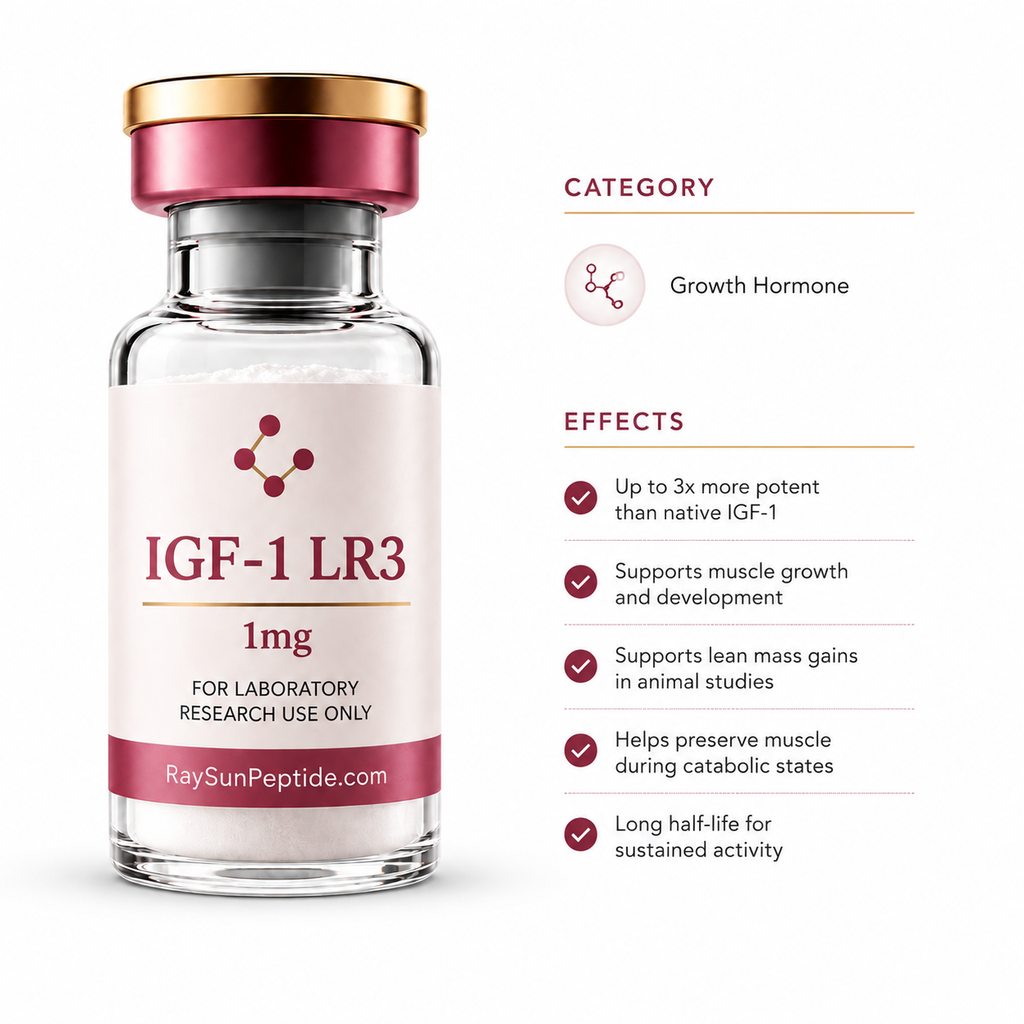
IGF-1 LR3 (Long R3 Insulin-like Growth Factor-1) is a synthetic analog of IGF-1 with an arginine substitution at position 3 and a 13-amino acid N-terminal extension. It has been studied in cell biology research for its effects on cell growth, differentiation, and survival through IGF-1 receptor activation. Published research has examined its binding affinity and metabolic stability compared to native IGF-1. RaysunPeptide supplies IGF-1 LR3 for qualified research and laboratory applications.
Mechanism of Action
Functions as a full IGF-1 receptor agonist activating PI3K/Akt/mTOR and MAPK/ERK pathways. The modifications prevent protein sequestration, maintaining elevated free circulating levels for extended anabolic effects.
Key Benefits
Molecular Data
Dosing Protocols
| Goal | Dose | Frequency | Route |
|---|---|---|---|
| Beginner Protocol | 20-30mcg | Once daily post-workout | SubQ/IM |
| Intermediate | 40-60mcg | Once daily | SubQ/IM |
| Advanced | 80-100mcg | Once or split AM/PM | SubQ/IM |
| Women's Protocol | 10-20mcg | Once daily | SubQ/IM |
Research Indications
Muscle Growth
15-20% lean mass gains in 4 weeks through satellite cell activation (rat studies).
Cancer cachexia rats maintained 30% more muscle versus placebo.
Creates new muscle fibers via satellite cell differentiation.
Tissue Repair
Accelerated wound healing in animal models.
Enhanced connective tissue repair.
Metabolic
Directs nutrients toward muscle tissue.
Enhanced lipolysis through IGF-1 pathway.
Peptide Interactions
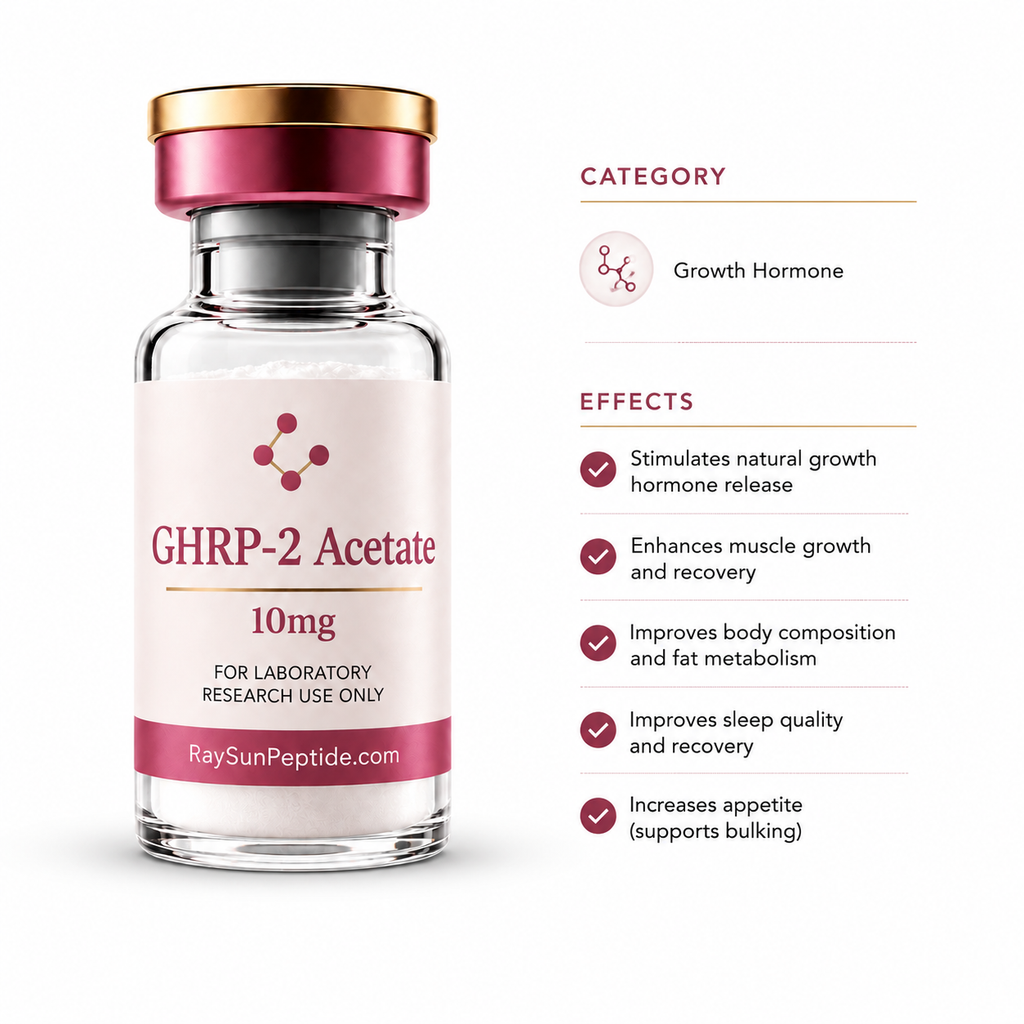
Creates excessive IGF-1 levels; avoid combination.
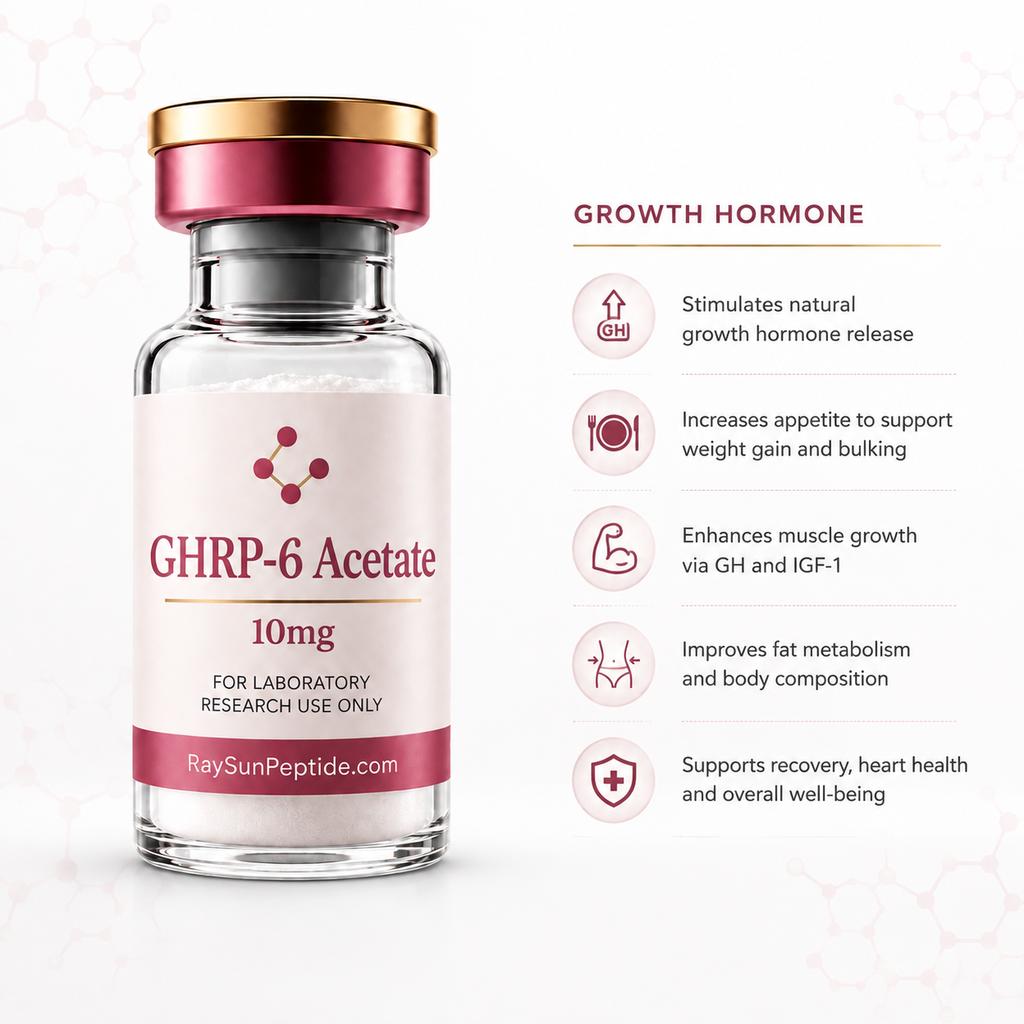
Both stimulate GH/IGF-1 axis; use caution with combination.
May compound metabolic effects through GH stimulation.
Synergistic hypoglycemic effects can be life-threatening.
Complementary healing mechanisms.
Different repair pathway activation.
Amplified effects with increased risks.
May mitigate insulin resistance.
Additive neurotrophic pathway effects.
What to Expect
Side Effects & Safety
Common (Generally Mild)
- •Hypoglycemia (lasting up to 30 hours) - CRITICAL
- •Water retention
- •Joint stiffness
- •Muscle soreness
- •Increased pump during workouts
Stop Signs (Seek Medical Attention)
- ⚠Severe or recurring hypoglycemia despite carbohydrate intake
- ⚠Unusual growths, lumps, or rapid mole changes
- ⚠Severe joint pain or carpal tunnel symptoms
- ⚠Persistent nausea, headaches, or vision changes
- ⚠Signs of organ enlargement
- ⚠Extreme fatigue or mental fog
Contraindications
- ✕NEVER approved for human use - research chemical only
- ✕Cancer history or undiagnosed growths
- ✕May cause organ hypertrophy (heart, intestines)
- ✕WADA prohibited - causes failed drug tests
Quality Checklist
Good Signs ✓
- HPLC purity >95%
- Mass spectrometry confirmation
- Cold storage maintained (-20°C lyophilized)
- Certificate of analysis from reputable source
Warning Signs !
- Research chemical status - never approved for human use
- Zero human clinical trials exist
- Species-specific responses vary significantly
Bad Signs ✕
- Severe hypoglycemia risk - life-threatening low blood sugar lasting 20-30 hours
- Cancer proliferation concern - UK Biobank links elevated IGF-1 to multiple cancers
- Black market quality varies - oxidized and degraded forms common
References
LR3IGF-I was approximately 2.5-fold more potent than native IGF-1 in reversing dexamethasone-induced catabolism. 7-day treatment showed significant body weight recovery vs 19g loss in controls.
View on PubMed →Fetal plasma insulin concentrations decreased 66% with IGF-1 LR3 infusion during hyperglycemic clamp. Insulin secretion suppression was acute and did not persist in isolated islets.
View on PubMed →IGF-1 treatment effectively attenuated host muscle protein and lean tissue depletion in a sarcoma model without stimulating tumor growth. Dose-dependent increases in carcass weight and gastrocnemius muscle protein.
View on PubMed →Higher circulating IGF-1 associated with increased risks of colorectal, breast, prostate, and thyroid cancers in the UK Biobank prospective cohort of >395,000 participants.
View on PubMed →FAQs