BPC-157
Extensively StudiedPentadecapeptide
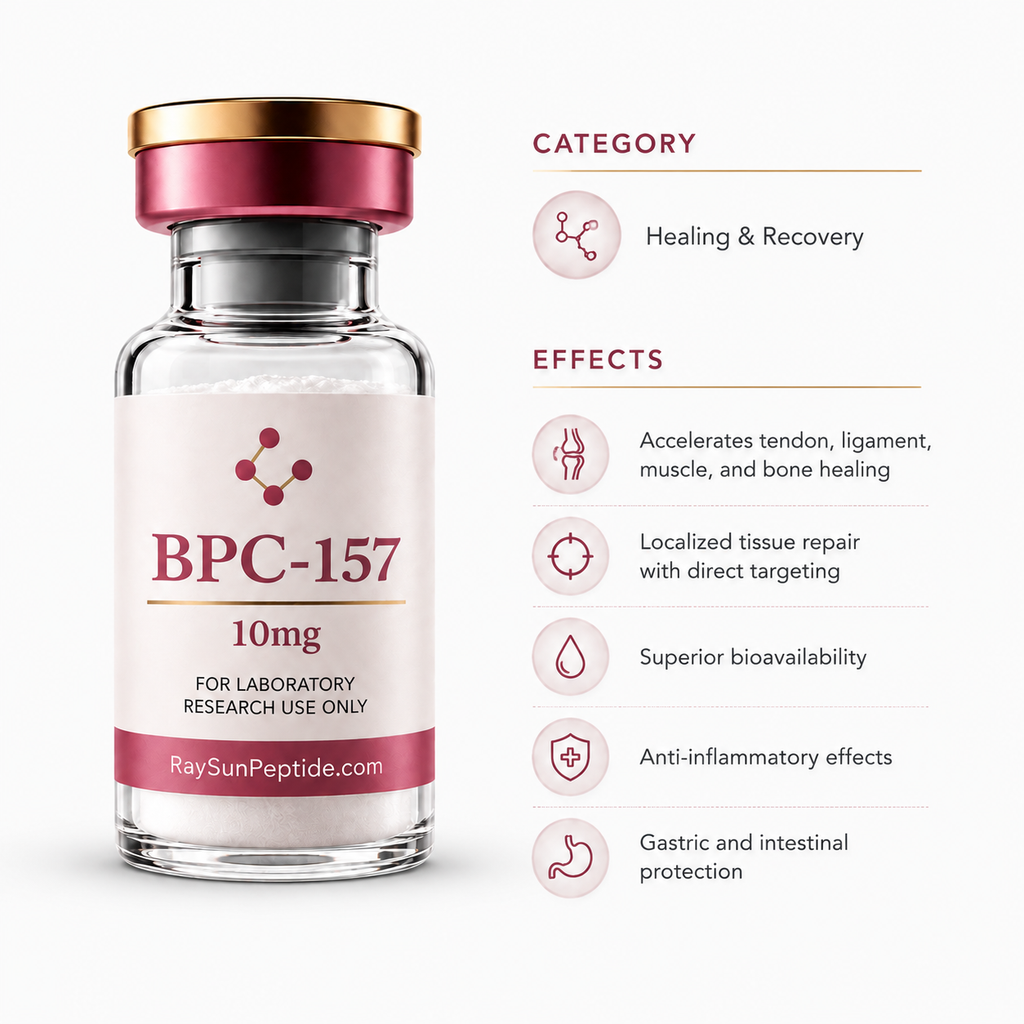
BPC-157 is a synthetic peptide composed of 15 amino acids, derived from a protective protein found in human gastric juice. It has been the subject of extensive preclinical research, primarily in animal models, examining its interaction with various biological pathways including the nitric oxide system, FAK/paxillin pathway, and VEGFR2 signaling. Published research on BPC-157 remains at the preclinical stage. RaysunPeptide's BPC-157 is manufactured for laboratory and research purposes only and is not intended for human consumption or therapeutic use.
Mechanism of Action
Promotes blood vessel formation (angiogenesis), enhances collagen synthesis, modulates growth factor expression including VEGF, and protects against tissue damage through localized or systemic delivery pathways.
Key Benefits
Molecular Data
Dosing Protocols
| Goal | Dose | Frequency | Route |
|---|---|---|---|
| Tendon/Joint healing | 250-500 mcg | 1-2x daily | SubQ near injury |
| Serious injury | 500-1000 mcg | 2x daily | SubQ near injury |
| General healing | 250-500 mcg | 1-2x daily | SubQ or IM |
| Maintenance | 250 mcg | 1x daily | SubQ |
Research Indications
Wound Healing
Accelerated tendon-to-bone healing with improved biomechanical properties; most effective with localized injection.
Enhanced healing and reduced recovery following crush injuries and surgical procedures with direct tissue targeting.
Promotes blood vessel formation and improves vascularization through localized delivery.
Neurological
Protective effects against neurotoxic agents and ischemic brain injury models.
Improved functional recovery and reduced tissue damage in spinal cord injury studies.
Enhanced peripheral nerve regeneration and functional recovery after injury.
Gastrointestinal
Protective effects against gastric and duodenal ulcers through cytoprotective mechanisms.
Acceleration of intestinal healing with reduced inflammatory markers in IBD models.
Enhanced mucosal barrier function and accelerated epithelial regeneration.
Peptide Interactions
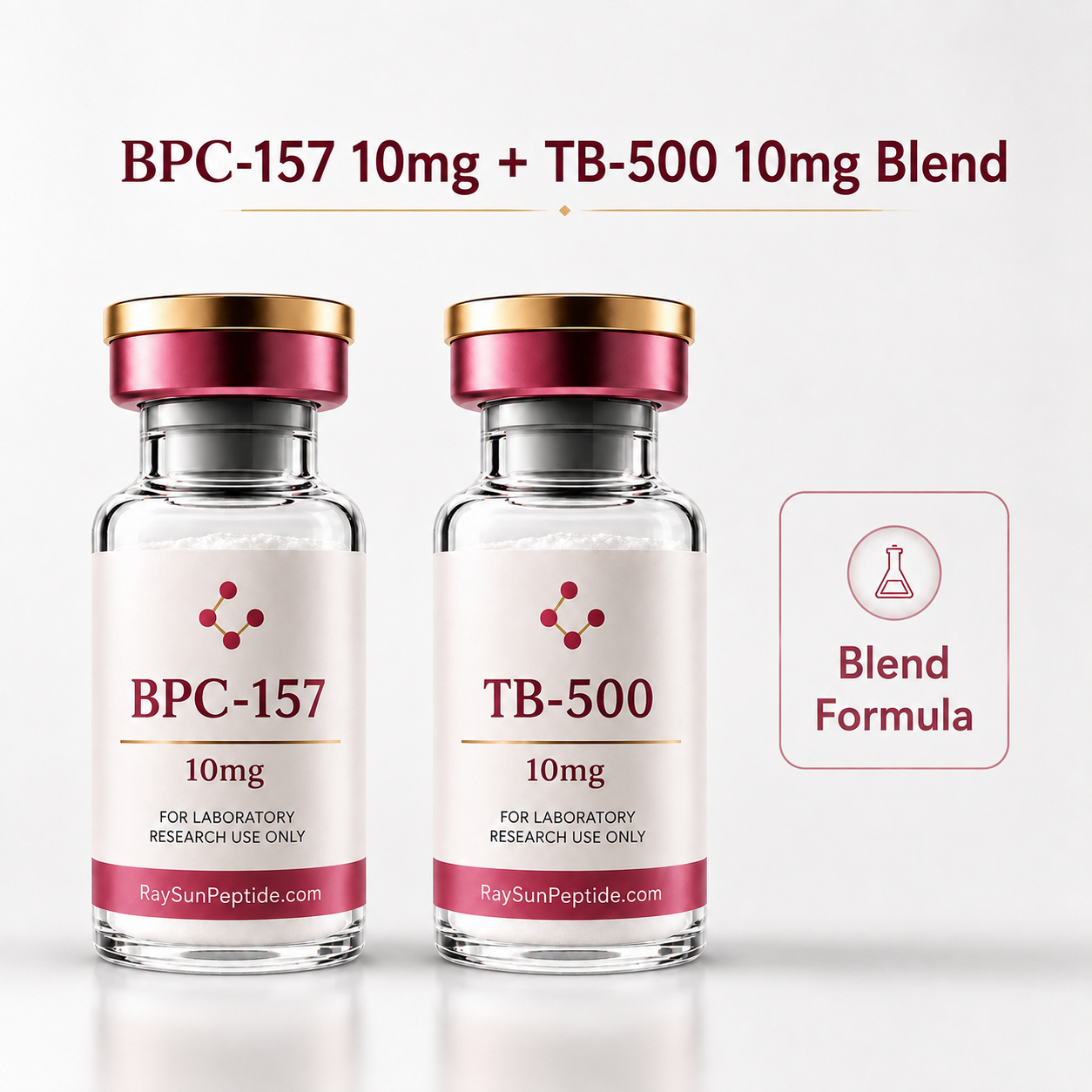
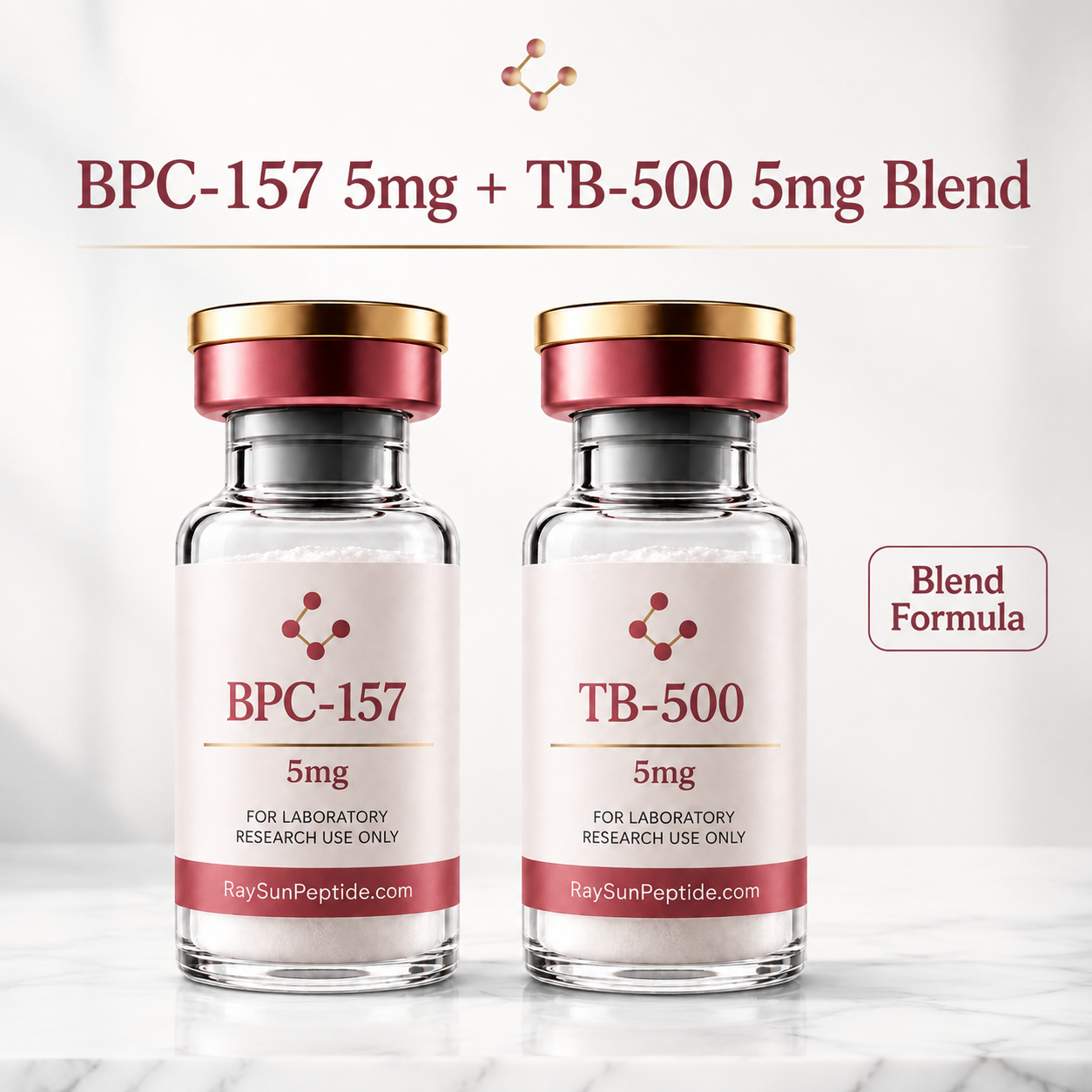
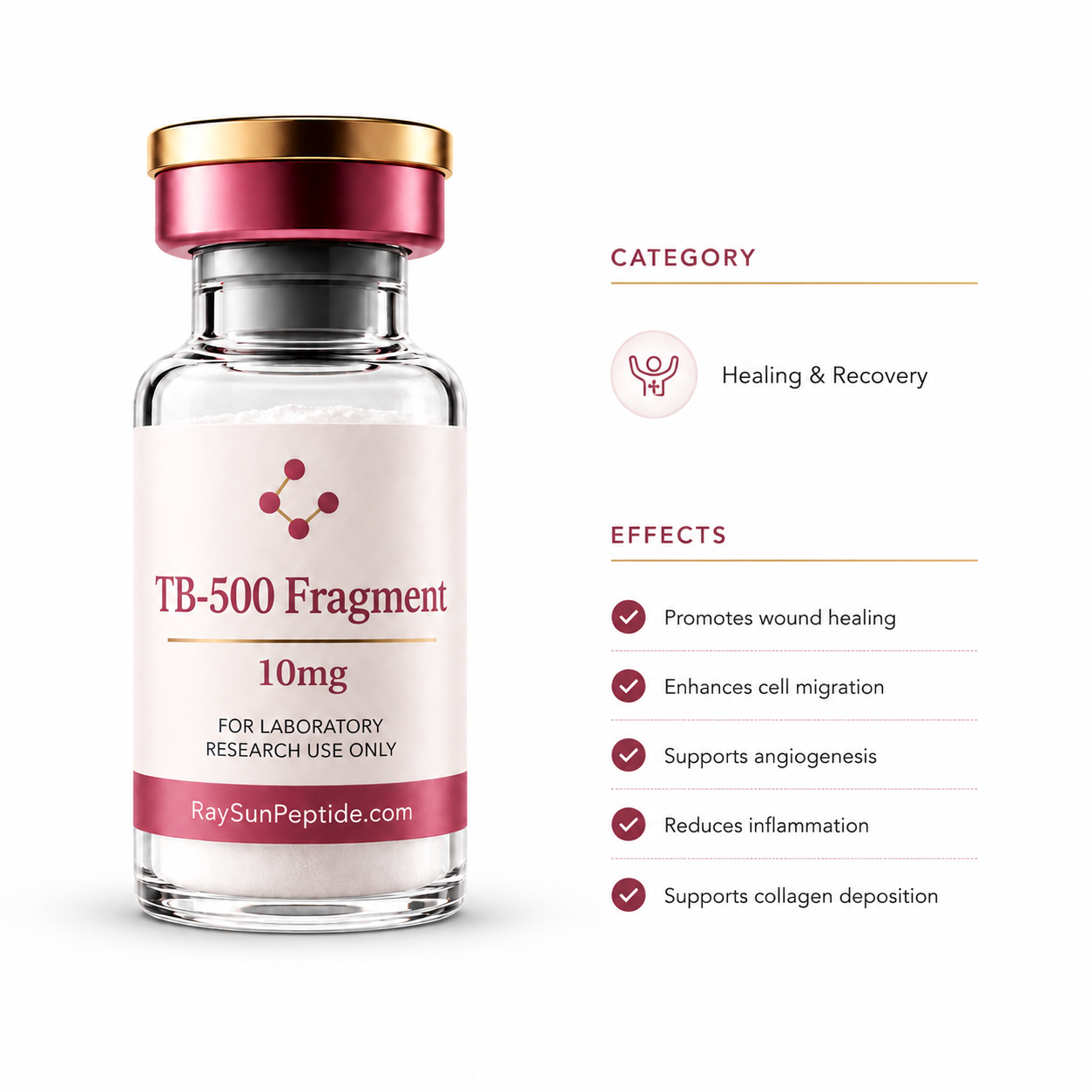
Complementary healing mechanisms; often used together in the Wolverine Stack.
No known negative interactions.
BPC-157 increases GH receptor expression, amplifying growth hormone benefits.
BPC-157 upregulates GH receptors, enhancing effectiveness for tissue repair.
No known interactions; different mechanisms and receptor targets.
Safe combination; different pathways. Often combined in regenerative protocols.
What to Expect
Side Effects & Safety
Common (Generally Mild)
- •Mild injection site redness
- •Injection site irritation
- •Possible mild digestive adjustment (oral)
Stop Signs (Seek Medical Attention)
- ⚠Persistent injection site reactions or infection signs
- ⚠Unusual swelling or rash around injection area
- ⚠Severe headaches or dizziness
- ⚠Allergic reactions
- ⚠Persistent or worsening digestive issues
Contraindications
- ✕Active cancer (due to angiogenic effects)
- ✕Pregnancy or breastfeeding
- ✕Blood thinners (consult doctor due to angiogenesis)
- ✕WADA prohibited for competitive athletes
Quality Checklist
Good Signs ✓
- White, fluffy lyophilized powder (cake) filling vial bottom
- Crystal clear solution after reconstitution with no particles
- Intact vacuum seal on vial
Warning Signs !
- Slight clumping that dissolves with gentle swirling (acceptable from shipping)
Bad Signs ✕
- Collapsed, melted, or powder stuck to vial sides (heat exposure)
- Cloudy solution, particles, or precipitates after reconstitution
- Discoloration of powder
References
Superior tendon healing with improved biomechanical properties (increased load of failure and Young's modulus), enhanced tendon-to-bone integration, and stimulated tendocyte growth in rat models.
View on PubMed →Accelerated quadriceps healing over 72-day period with improved biomechanics, walking recovery, muscle fiber regeneration with desmin positivity, and attenuated atrophy in rat models.
View on PubMed →Significant functional recovery with improved motor function, resolved spasticity by day 15, and counteracted axonal necrosis, demyelination, and cyst formation across all stages of secondary injury.
View on PubMed →Cytoprotective effects against NSAID-induced gastric and intestinal damage by stabilizing intestinal permeability and protecting mucosal barrier function across multiple epithelia.
View on PubMed →Pro-angiogenic effects via VEGFR2-Akt-eNOS signaling pathway activation, increased vessel density in vivo and in vitro, and accelerated blood flow recovery in ischemic rat hind limb model.
View on PubMed →Well tolerated in mice, rats, rabbits, and dogs with no serious toxicity in single-dose, repeated-dose, local tolerance, genetic, or embryo-fetal toxicity studies.
View on PubMed →Pilot human trial in 12 women (ages 39-76) with interstitial cystitis showed BPC-157 as a potential treatment for this disabling condition with no effective existing therapies.
View on PubMed →First human IV safety data: infusions of up to 20 mg BPC-157 in 2 healthy adults showed no adverse effects on cardiac, hepatic, renal, thyroid, or glucose biomarkers.
View on PubMed →FAQs
Should I inject BPC-157 near the injury site or take it systemically?
Localized injection near the injury site is most effective for direct tissue targeting and healing. However, BPC-157 has systemic effects, so oral administration (on empty stomach) or distant SubQ injection provides whole-body benefits. For serious tendon/joint injuries, localized injection + oral combination protocol maximizes effects.
Can I use BPC-157 with NSAIDs like ibuprofen?
BPC-157 rescued NSAID-cytotoxicity by stabilizing intestinal permeability and protecting mucosal barrier function in research. This suggests potential synergy—BPC-157 may mitigate NSAID side effects while NSAIDs reduce acute inflammation. However, clinical data on combination timing and dosing doesn't exist.
How long can I use BPC-157 or does it require cycling?
BPC-157 is typically used for 4-12 weeks depending on injury severity. Its short half-life (<30 minutes) and safety profile in preclinical studies suggest longer use is likely safe, but formal long-term human data doesn't exist. Cycling 1-2 weeks on/off may prevent adaptation, though continuous use hasn't shown problems.
Why must I avoid BPC-157 if I have cancer or am on blood thinners?
BPC-157 promotes angiogenesis (new blood vessel formation), which theoretically could support tumor blood supply. For cancer patients, this creates potential risk despite no direct clinical data. Blood thinners combined with pro-angiogenic effects increase bleeding risk, warranting medical supervision before use.