P21 (without Adamantane)
EmergingCNTF-derived peptide
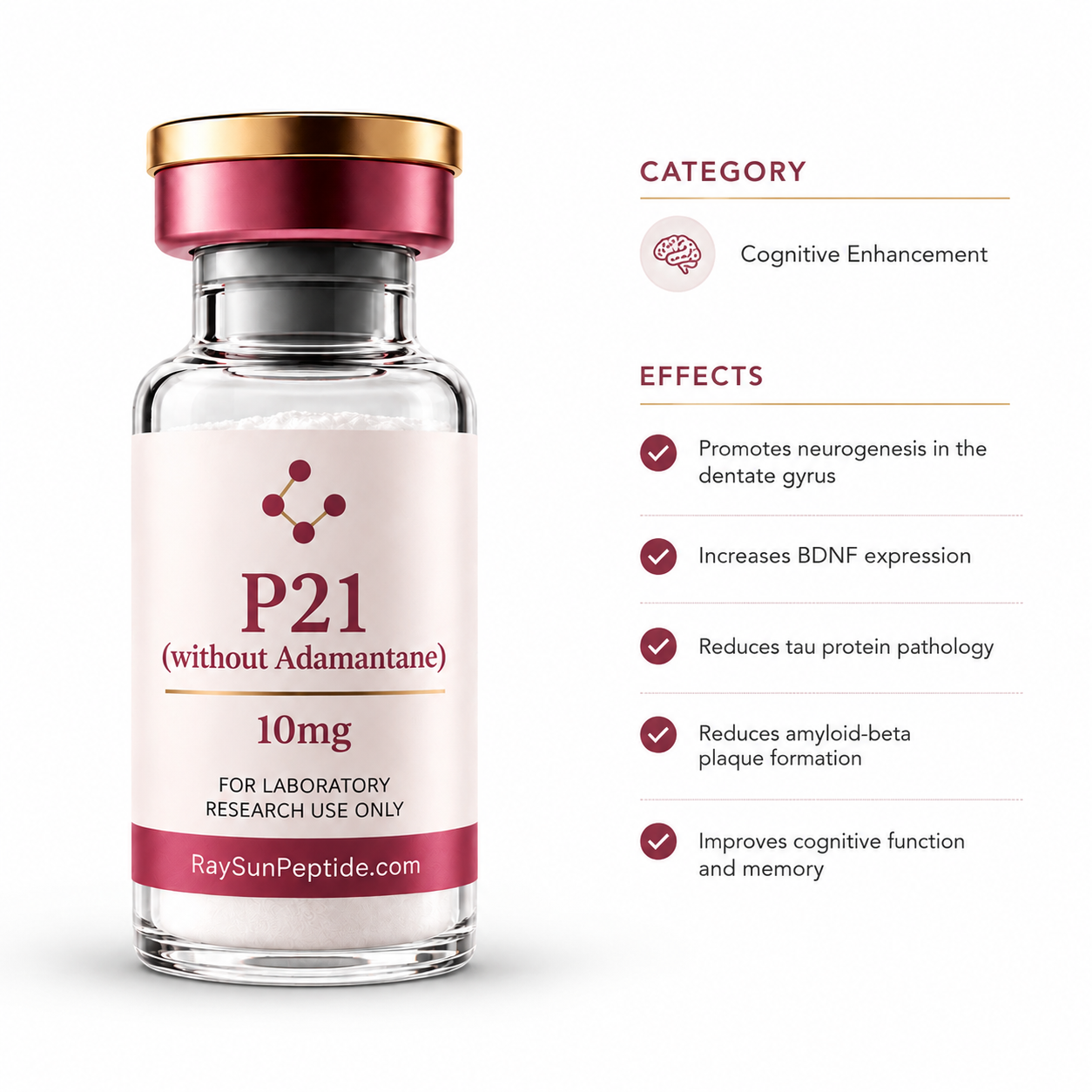
P21 is a synthetic neuropeptide that has been studied in neuroscience research for its effects on cognitive function and neuroprotective pathways. It has been investigated for its interactions with neurotrophic factor signaling. RaysunPeptide supplies P21 for qualified research and laboratory applications.
Mechanism of Action
P21 operates through multiple pathways: it inhibits leukemia inhibitory factor (LIF) signaling, removing a key roadblock to neurogenesis and shifting the brain toward a more embryologic state favoring neuron growth. It increases brain-derived neurotrophic factor (BDNF) expression and activates the BDNF/TrkB/PI3-K/AKT/GSK3β pathway.
Key Benefits
Molecular Data
Dosing Protocols
| Goal | Dose | Frequency | Route |
|---|---|---|---|
| Research protocol | Variable by study | Daily | SubQ or IP |
Research Indications
Neurodegenerative Disease
P021 markedly reduced tau pathology, attenuated Aβ generation, and rescued episodic memory impairment in 3xTg-AD mice.
Treatment during synaptic compensation period can prevent neurodegeneration and reduce mortality.
Robust attenuation of tau pathologies through BDNF/TrkB/PI3-K/AKT/GSK3β pathway.
Cognitive Enhancement
Enhances dentate gyrus neurogenesis so effectively it exceeds levels in healthy untreated brains.
Enhances memory processes through increased BDNF and restored synaptic function.
May reduce natural decline in learning and memory in aged models by rescuing neurogenesis deficit.
Neuroprotection
Restores synaptic deficits in cortex and hippocampus.
Rescues deficits in neuronal plasticity.
Peptide Interactions
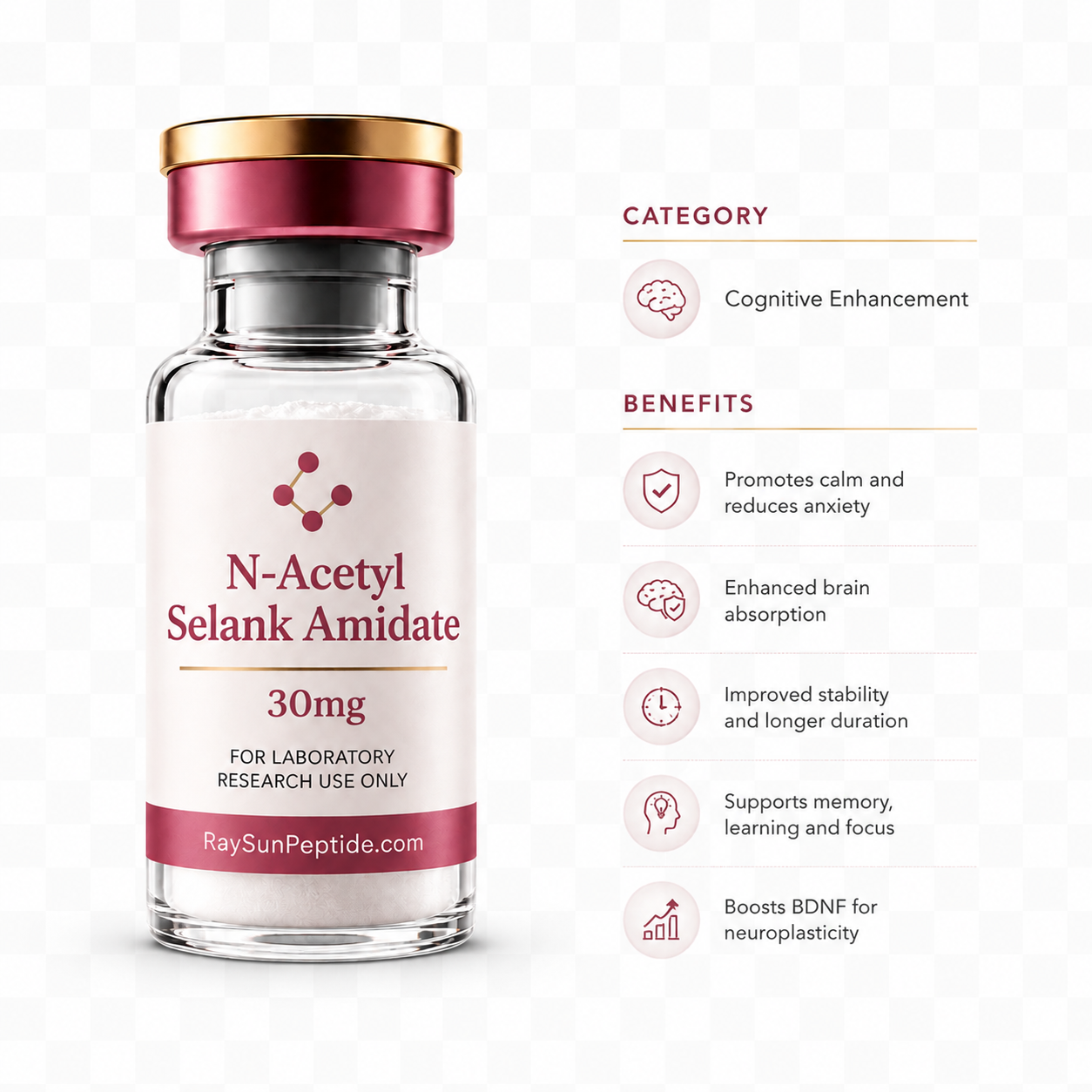
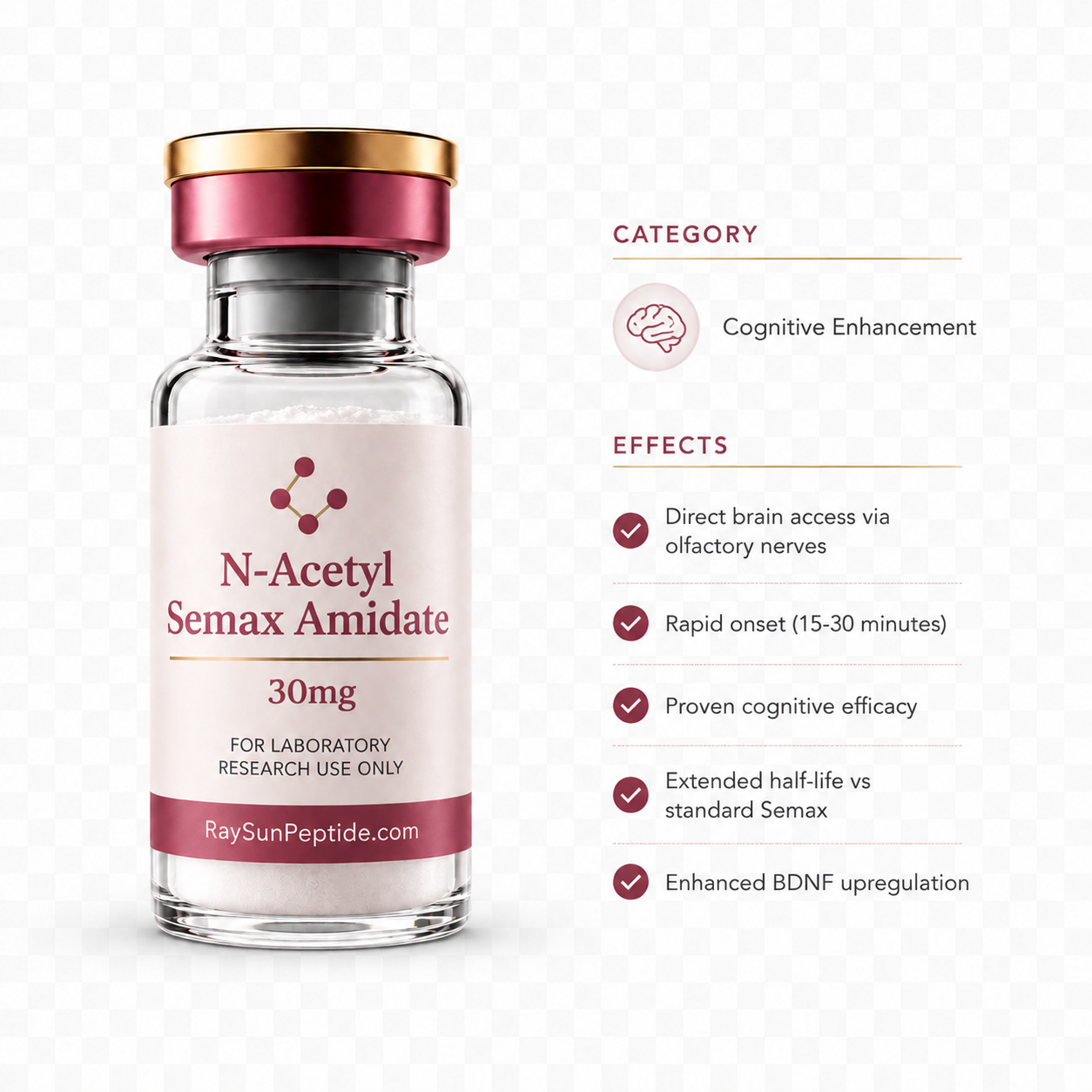
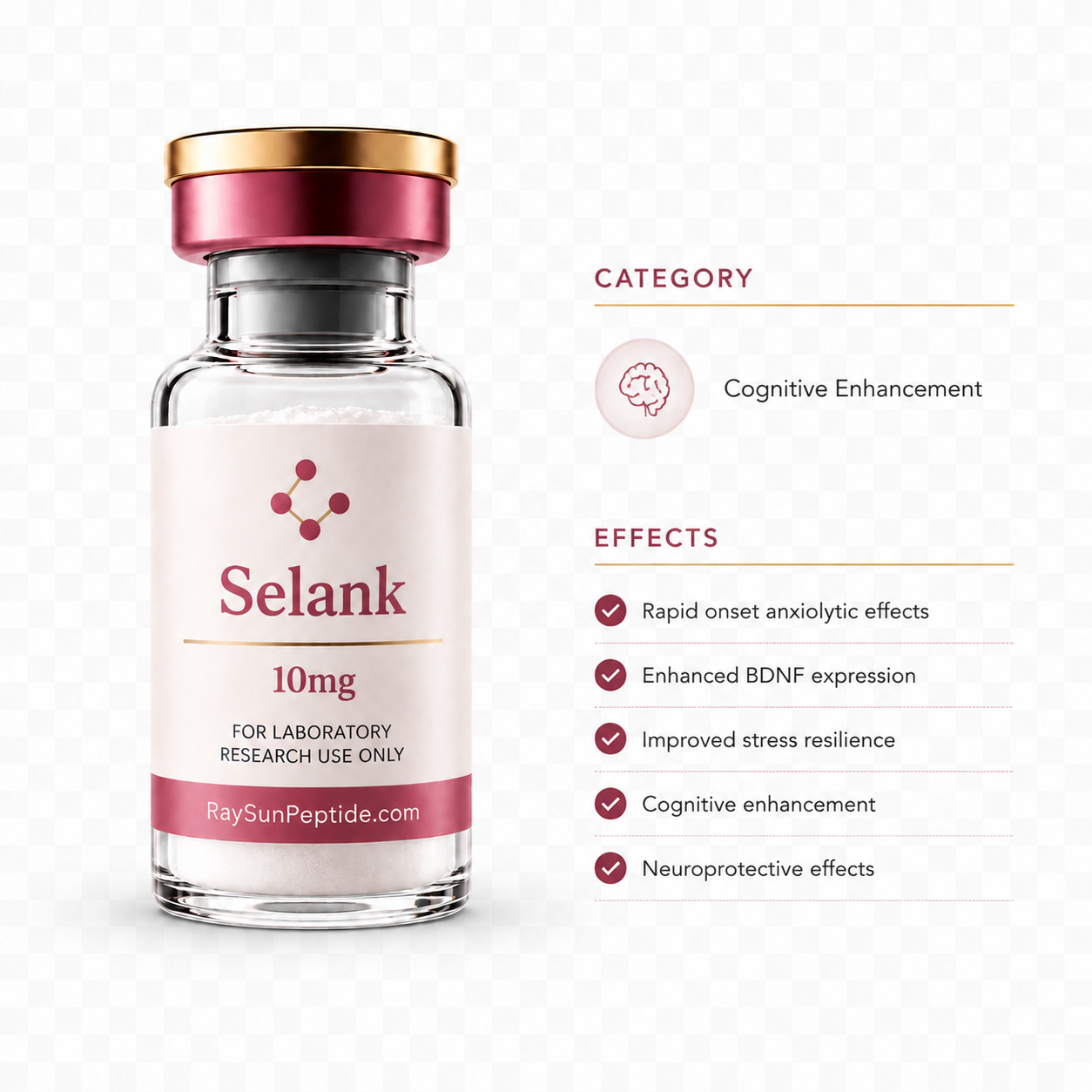
Different nootropic mechanisms; may complement each other.
Both promote neurogenesis through different pathways.
No known negative interactions; different mechanisms.
Different cognitive enhancement mechanisms.
What to Expect
Side Effects & Safety
Common (Generally Mild)
- •Limited data - primarily preclinical research
- •Generally well-tolerated in animal studies
Stop Signs (Seek Medical Attention)
- ⚠Allergic reactions
- ⚠Unusual neurological symptoms
Contraindications
- ✕Not approved for human use
- ✕Pregnancy or breastfeeding
- ✕Unknown safety profile in humans
Quality Checklist
Good Signs ✓
- White lyophilized powder
- Clear solution after reconstitution
- High purity (>95%)
- Intact vacuum seal
Warning Signs !
- Research chemical - limited quality standards
Bad Signs ✕
- Discoloration
- Cloudy solution
- Particulates visible
References
P021 markedly reduced tau pathology, attenuated Aβ, rescued episodic memory, and reduced mortality in AD mice.
Disease-modifying effect via BDNF/TrkB/PI3-K/AKT/GSK3β pathway; rescued neurogenesis and cognition.
May reduce age-related cognitive decline by restoring BDNF expression and synaptic function.
Beneficial effects in preclinical studies make P21 highly promising for AD drug development.
FAQs
Can P21 boost neurogenesis above healthy brain levels?
Remarkably, yes. The file states P21 can boost neurogenesis in diseased brains above levels seen in healthy untreated brains. This is extraordinary—most treatments aim to restore function, but P21 may actually exceed normal baseline. However, this is only demonstrated in Alzheimer's disease models; human data is absent.
How does P21's adamantane modification help it work?
The adamantane moiety attached to P21 enables blood-brain barrier penetration, allowing the peptide to reach brain tissue despite being a ~1,100 Da molecule that normally couldn't cross.
Is P21 safe to use given it's only been tested in mice?
P21 has not completed human clinical trials—it remains experimental and preclinical. No human dosing protocols exist.
Could P21 help with normal aging cognitive decline, not just Alzheimer's?
Possibly. The file suggests P21 may reduce age-related cognitive decline by restoring BDNF and synaptic function, but this is rated as 'moderate' effectiveness and is based on animal models.